Evemortonx 2026: Transforming Digital Presence into Fashion and Influence
The Rise of a Unique Online Identity Shaping Style, Trends, and Personal Branding

Introduction
In the modern online landscape, certain names carry more than just recognition—they carry influence, personality, and a distinct identity. Evemortonx is one such name. It represents the fusion of digital presence, personal branding, and creative expression. Far beyond a username, evemortonx is becoming a symbol of how individuals can build a micro-empire of authenticity and style in the digital era.
With the growing importance of digital personas in 2026, evemortonx exemplifies how a carefully curated online identity can transform into a recognizable and impactful brand.
Quick Info Table
| Aspect | Details |
|---|---|
| Name | evemortonx |
| Type | Digital identity / personal brand |
| Niche | Fashion, creativity, online persona |
| Platforms | Social media, online marketplaces |
| Key Attributes | Authenticity, engagement, aesthetic consistency |
| 2026 Trend | Micro-brands and personal branding dominance |
The Essence of Evemortonx
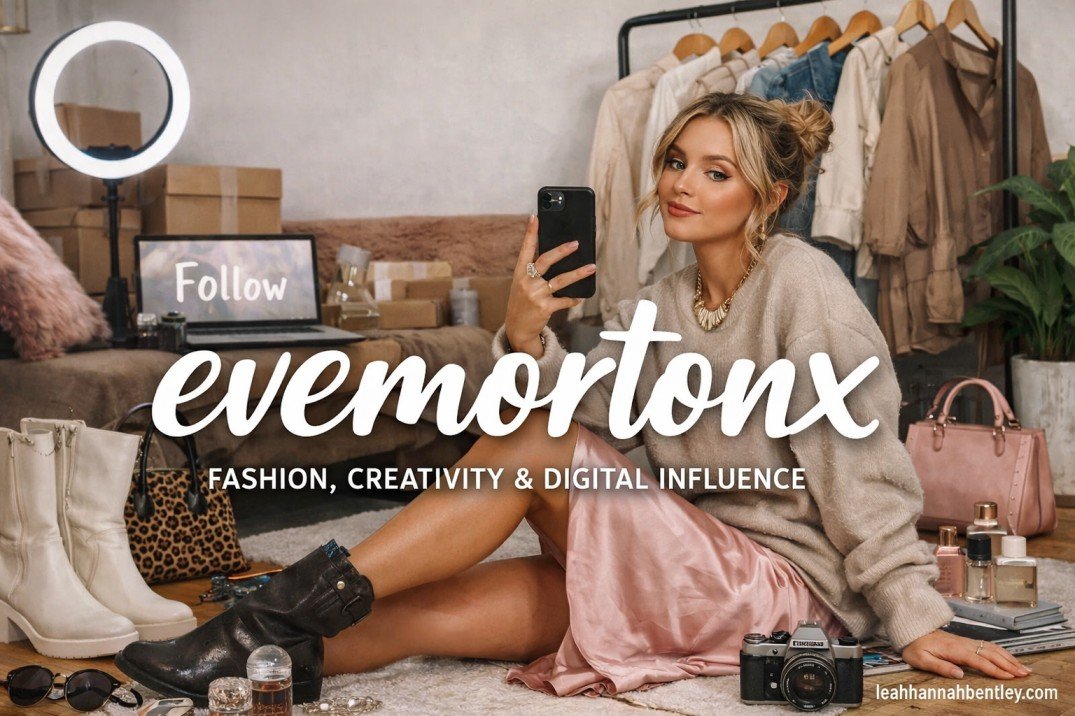
Evemortonx is more than a digital label; it is a curated identity that blends personality, style, and online influence. Unlike ordinary usernames, it communicates a sense of purpose and creativity. Whether interacting on social platforms, sharing fashion insights, or engaging with niche communities, evemortonx stands as a representation of modern digital self-expression.
Its appeal lies in versatility. It can be a creative persona, a business identity, or a hybrid that balances both. This dual nature is what makes it compelling and relevant in 2026, when online identities often dictate social and commercial reach.
Building a Brand Around Evemortonx
At the core of evemortonx is a strong brand identity. This identity thrives on authenticity and relatability, creating a presence that feels human rather than corporate. Every post, product, or interaction reflects a cohesive story that followers can connect with.
Consistency is crucial. The aesthetic choices, from color palettes to content style, are deliberately curated to reinforce the brand’s unique voice. Additionally, transparency in communication—whether in product details or audience engagement—creates trust and loyalty. This combination of style, honesty, and relatability is what makes evemortonx a distinctive and influential digital brand.
Evemortonx in the Fashion World
In the fashion landscape, evemortonx is not about mass appeal—it’s about curated individuality. The focus is on pieces and collections that reflect personal taste and creativity, allowing followers to see themselves in the brand.
Unlike generic online stores, evemortonx emphasizes story-driven fashion, where each product tells part of a larger narrative. This approach resonates strongly in 2026, where consumers value self-expression over conformity. Limited collections and carefully curated items give it an exclusive boutique feel, setting it apart from larger, impersonal retailers.
Digital Strategy and Community Engagement
The success of evemortonx relies heavily on strategic digital engagement. Platforms like Instagram, TikTok, and online marketplaces are used not just for promotion but for storytelling. Content often includes behind-the-scenes glimpses, style guides, and interactive posts that foster a sense of community.
Interaction with followers is a key differentiator. Personalized messages, quick responses, and audience-centric content build a loyal following that feels valued and connected. In 2026, this two-way engagement is one of the strongest growth factors for any digital identity.
Why Evemortonx is a 2026 Trendsetter
Evemortonx reflects several emerging trends in the digital space:
- Micro-Brands Rise: Small, authentic brands gain preference over impersonal corporations.
- Personal Branding Dominance: Unique digital identities help individuals stand out.
- Value of Creativity: Audiences seek originality and relatability over mass-produced content.
- Exclusive Experience: Limited releases and curated aesthetics create desirability.
These factors combine to position evemortonx as a trendsetter for modern digital branding in 2026.
Challenges Facing Evemortonx
Even successful digital identities face hurdles. Scaling while maintaining authentic engagement is a primary challenge. As the audience grows, sustaining the personal touch becomes harder.
Competition is another factor. The digital fashion and lifestyle space is crowded, making differentiation essential. Additionally, logistical considerations like fulfillment, returns, and inventory management can impact the overall brand experience. The key lies in balancing growth with quality and personal connection.
Future Potential of Evemortonx
Looking forward, evemortonx has the potential to evolve into a multi-faceted digital brand. Beyond fashion, it could explore collaborations, creative content ventures, or lifestyle experiences. Its adaptable identity makes it capable of keeping pace with changing trends while retaining its core personality.
In 2026, the most successful digital names will be those that combine authenticity, innovation, and audience connection—all qualities that define evemortonx.
Conclusion
Evemortonx is not just a name—it’s a blueprint for how digital identities can shape culture, commerce, and creativity in 2026. By combining authenticity, aesthetic consistency, and strategic engagement, it has created a unique space in a crowded digital ecosystem.
As the digital landscape evolves, evemortonx exemplifies the power of standing out, telling a story, and connecting meaningfully with an audience, showing how a simple identity can grow into a compelling personal brand.
FAQs
1. What is evemortonx?
It is a digital identity and personal brand known for creativity, fashion curation, and online engagement.
2. Is evemortonx an individual or a brand?
It is a hybrid—representing both a creative persona and a personal brand.
3. Why is evemortonx popular in 2026?
Due to trends like micro-brands, personal branding, and originality-driven content.
4. What kind of content does evemortonx share?
Primarily fashion curation, styling inspiration, and behind-the-scenes creative content.
5. Can evemortonx expand further?
Yes, its adaptable identity allows for future growth, collaborations, and diversification.
Also Read: leahhannahbentley