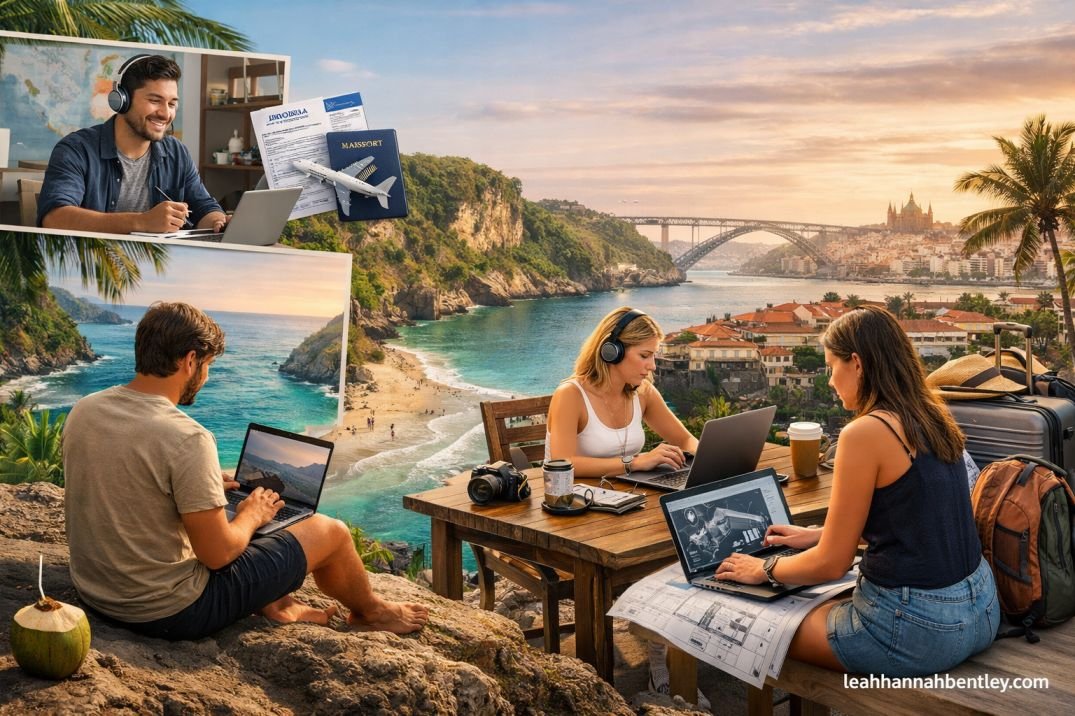
For decades, the standard post-graduation dream was a corner office, a steady 9-to-5, and a short commute. But as we move further into 2026, that vision has shifted dramatically. If you walk across any campus today, you won’t just hear talk about corporate ladders; you’ll hear about Wi-Fi speeds in Bali, co-working spaces in Lisbon, and the freedom to work from anywhere with a laptop.
Digital nomadism has evolved from a niche lifestyle for freelance coders into a mainstream career goal for the modern graduate. This shift isn’t just about travel; it’s a fundamental change in how we view the relationship between work, life, and personal fulfillment.
The Freedom of “Work from Anywhere”
The primary driver behind this movement is the desire for autonomy. New graduates are entering a workforce that has already proven that productivity isn’t tied to a physical desk. Having spent much of their academic lives navigating hybrid learning and digital collaboration, the transition to remote work feels entirely natural.
For a graduate, the ability to design their own environment is a powerful motivator. Instead of being confined to a cubicle in a city with a high cost of living, they can choose locations that match their budget and lifestyle preferences. This freedom allows for a richer life experience, where “exploring a new culture” isn’t something reserved for a two-week vacation, but a Tuesday afternoon activity.
The Skill Sets Driving the Nomad Economy
While the dream is universal, the reality of digital nomadism requires a specific set of high-demand skills. We are seeing a surge in graduates specializing in fields like digital marketing, software development, and specialized design.
For instance, students coming out of technical programs are finding that their skills are highly portable. Those who spent their university years mastering complex design software often find freelance opportunities that pay well regardless of their time zone. If you have spent late nights perfecting blueprints or 3D models, you know that technical proficiency is your ticket to freedom. Students often seek out autocad assignment help to ensure they master these complicated tools before graduation, knowing that these specific skills are exactly what allow them to work for international clients while sitting in a cafe in Prague.
Rethinking Success and Stability
There was a time when “stability” meant staying with one company for thirty years. Today’s graduates see stability differently. To them, stability means having a diversified portfolio of skills and the ability to pivot when the market changes.
Digital nomads often balance multiple income streams—freelance projects, remote full-time roles, or digital products. This entrepreneurial mindset is fostered early on. During university, the pressure to maintain high grades while building a professional portfolio can be intense. Many students realize that to reach the level of expertise required for a nomadic lifestyle, they need to manage their time effectively. It is common for high-achievers to look for experts to write my assignment so they can focus their energy on learning the practical, high-value skills that will actually pay the bills while they travel.
The Challenges of the Nomadic Life
It isn’t all sunsets and laptops on the beach. Living as a digital nomad requires immense self-discipline and a high level of “soft skills” like time management, communication, and adaptability.
- Time Zone Management: Working for a New York firm while living in Southeast Asia requires a strange sleep schedule.
- Loneliness: Moving frequently can make it hard to build a deep-rooted community.
- Bureaucracy: Navigating “Digital Nomad Visas,” taxes, and health insurance in foreign countries is a full-time job in itself.
However, for the Class of 2026, these challenges are seen as a fair trade for the experiences gained. They are choosing to solve these problems in exchange for a life that feels authentic and unscripted.
Building an “Experience-First” Career
The traditional path often asks people to defer their happiness until retirement. Digital nomadism flips that script. It suggests that you can build a robust, successful career while simultaneously seeing the world.
Companies are also beginning to realize that the most talented graduates aren’t willing to move to a specific headquarters. To attract the best minds, businesses are becoming “remote-first,” offering the flexibility that this generation demands. This creates a win-win scenario: companies get access to global talent, and graduates get to live the life they’ve envisioned.
Conclusion
The rise of the digital nomad is a sign of a maturing global economy. It reflects a world where what you contribute is more important than where you sit. As students graduate this year, they aren’t just looking for jobs; they are looking for ways to integrate their work into a life worth living. With the right technical skills and a proactive approach to learning, the world truly becomes their office.
Also Read: leahhannahbentley